
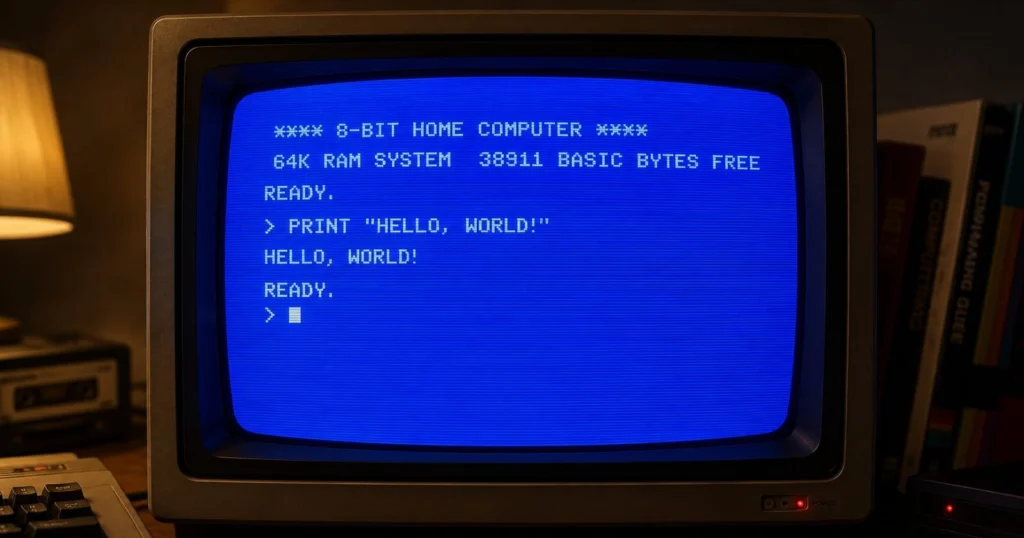
Commodore 64 Restoration was a three-year resale and repair project built around old computers, garage-sale hunting, electronics cleanup, and the occasional victory of making 40-year-old hardware behave like it still had something left to prove.
It made money, but it was not a strong income source. About $3,000 went into equipment and related purchases, roughly $5,000 came back through sales, and the estimated operating gain was about $2,000 before placing any value on a few hundred hours of labor.
That made it a profitable hobby, a weak business, and a very good life project. It sharpened repair and soldering skills, created time with the kids, kept old equipment in use, and provided an entirely legitimate reason to replay old Ultima games under the important business category of “inventory testing.”
Project Snapshot
- Project: Commodore 64 Restoration
- Category: Retro-computer resale, repair, and restoration
- Status: Retired
- Active period: Roughly three years during the eBay and Craigslist resale period
- Primary activity: Buy, clean, test, repair, bundle, and resell Commodore 64 systems and related equipment
- Estimated cash invested: About $3,000
- Estimated gross sales: About $5,000
- Estimated operating gain: About $2,000 before valuing labor
- Estimated time invested: A few hundred hours
- Financial result: Positive, but poor on an hourly basis
- Personal result: Strong
The Business Model
The basic model was straightforward: find old Commodore 64 systems and related gear, buy them below their potential resale value, then create value through cleaning, testing, repair, sorting, bundling, and better descriptions.
Where the equipment came from
Inventory came from garage sales, estate sales, eBay, Craigslist, local listings, and occasional old-computer leads. The better opportunities usually came from sellers clearing space rather than sellers trying to extract collector pricing from every cable and yellowed keyboard.
Facebook Marketplace never became a major source. By then, too many listings were priced around the mythical garage-sale retirement score. The seller already knew the equipment might be collectible, even when nobody knew whether it worked.
Where the value was created
The value was not simply in owning an old computer. It came from reducing uncertainty for the buyer.
- Cleaning equipment that had spent years in storage
- Checking power supplies, drives, keyboards, cables, cartridges, and disks
- Separating working equipment from parts units
- Completing useful systems instead of selling random boxes of parts
- Performing reasonable repairs and basic soldering
- Writing listings that explained exactly what had been tested
- Packing fragile old electronics carefully enough to survive shipping
That is the same value-creation pattern found in many forms of reselling and flipping: knowledge, organization, trust, and presentation turn uncertain inventory into something a buyer can use.
What the Numbers Actually Say
| Measure | Estimated Result | What It Means |
|---|---|---|
| Cash invested | About $3,000 | Acquisition and project costs were meaningful but manageable. |
| Gross sales | About $5,000 | The equipment sold for more than the project put into it. |
| Operating gain | About $2,000 before labor | The project was profitable in the narrow cash sense. |
| Time invested | A few hundred hours | The hourly return was poor once the labor was counted. |
| Scalability | Low | Good inventory became harder to find as prices and competition increased. |
| Skill and personal return | High | The project paid back in ways the sales total did not capture. |
Profit was not the same as good hourly income
The $2,000 operating gain sounds respectable until the time is counted. Finding equipment, driving to sales, cleaning, troubleshooting, repairing, testing, listing, answering questions, packing, and shipping consumed a few hundred hours.
That pushed the effective return into hobby-money territory. It also left little room for taxes, post-sale failures, storage, unsold parts, or the opportunity cost of doing something else.
This is why the project belongs beside What Determines Side Gig Earnings and Hidden Costs of Side Gigs. Revenue alone did not explain whether the work made sense.
The project still paid for itself
The poor hourly return did not erase the operating win. The project recovered its cash, produced a modest surplus, paid for much of the hobby, and left behind repair experience that remained useful after the selling stopped.
A project can make money without becoming a good business.
What the Work Actually Involved
| Work Area | Typical Tasks | Main Risk |
|---|---|---|
| Acquiring inventory | Watching listings, evaluating lots, driving to sales, negotiating, and deciding what was worth buying | Paying collector prices for untested equipment |
| Inspection and restoration | Cleaning, checking power supplies, testing drives and keyboards, sorting cables, basic soldering, and identifying parts units | Old hardware could fail without warning |
| Preparing a sale | Building usable bundles, photographing equipment, writing accurate descriptions, and explaining limitations | Overstating condition or missing a defect |
| Fulfillment | Answering questions, packing fragile electronics, shipping, and handling post-sale problems | Shipping damage or failure after delivery |
The labor was the part hidden by the simple phrase “buy and resell old computers.” This was not passive income. It was inventory work, repair work, customer-service work, and shipping work wearing a very attractive beige plastic costume.
Why Knowledge Mattered More Than Inventory
Testing created trust
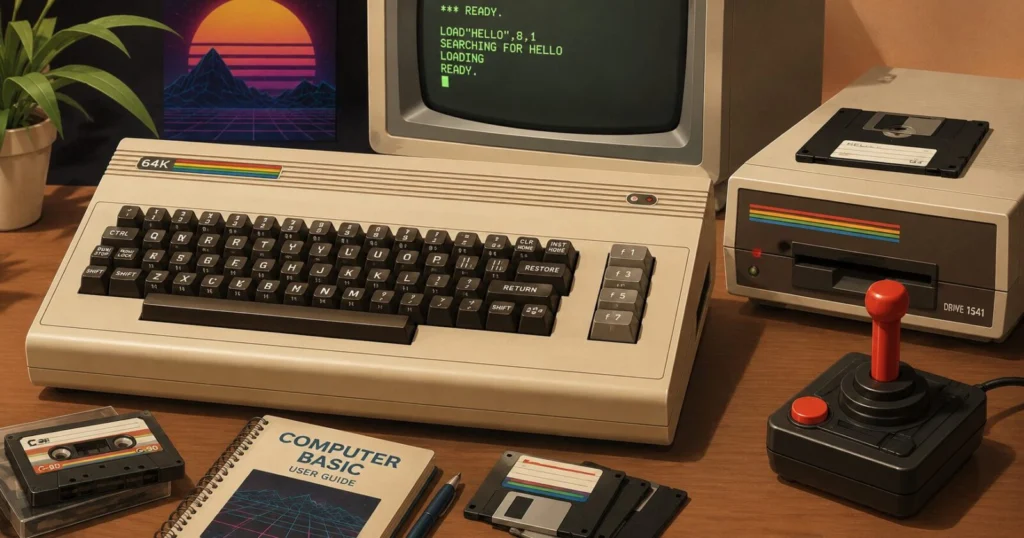
A dusty Commodore 64 in a box was a gamble. A cleaned system with a checked power supply, working keyboard, tested disk drive, known cables, and an honest description was a product.
Buyers were not paying only for the hardware. They were paying to avoid some of the uncertainty and troubleshooting that came with old electronics.
Bundling created usefulness
Random components were harder to understand and less appealing to a new owner. A sensible bundle—computer, tested power supply, cables, drive, manual, or selected software—gave the buyer a clearer starting point.
Repair had to stop somewhere
Not every unit deserved unlimited troubleshooting. Some equipment became parts inventory because the repair risk, time, or replacement cost was greater than the likely resale value.
That boundary is part of The ABC-eFlow Method: decide what evidence would justify continuing, and stop when the project no longer earns the next block of time or money.
Why the Project Was Still Worth Doing
The strongest return was not financial. The project combined a little money with learning, repair, family time, and a subject I genuinely enjoyed.
- Improved soldering and electronics-troubleshooting skills
- Relearned old systems and software
- Introduced the kids to 8-bit and 16-bit computing
- Created shared time around repair, programming, and gaming
- Kept usable equipment out of storage or the landfill
- Turned nostalgia into something partly self-funding
- Produced lessons that still apply to resale and side-gig decisions
Not every worthwhile project needs to become a brand, course, funnel, or empire. Some projects are good because they pay for part of themselves while building skills and creating memories.
Why It Ended
The project slowed as easy inventory became harder to find, seller expectations rose, and more buyers learned what old systems might be worth. The casual garage-sale advantage faded, while the time needed to find, restore, and sell each usable system remained high.
Eventually, the time-to-profit ratio stopped supporting the project as an income strategy. Continuing would have made sense only as a hobby, and the project had already delivered most of its value in that category.
That was the right stopping point. The related decision framework is covered in When a Side Gig Stops Making Sense.
Lessons From the Project
| Lesson | Practical Meaning |
|---|---|
| Revenue is not profit | Cash coming in means little until acquisition and operating costs are removed. |
| Profit is not hourly income | A project can show a gain and still pay poorly for the time required. |
| Knowledge creates resale value | Testing, repair, organization, and honest descriptions reduce buyer risk. |
| Fun can distort judgment | An enjoyable project can keep receiving time after the economics have weakened. |
| Personal return is real | Skills, family time, and satisfaction matter, but they should not be mislabeled as business profit. |
| Stopping can be success | A project does not have to fail before it becomes rational to retire it. |
Where It Fits in ABC-eFlow
Commodore 64 Restoration belongs under Our Projects because it had real costs, real sales, real labor, and a result more complicated than “worked” or “failed.”
The resale side connects to Sell Stuff for Cash and Reselling and Flipping as a Side Gig. The weak hourly economics connect to the earnings and hidden-cost pages. The stopping decision connects to the ABC-eFlow method and the project’s final retirement.
It also sits naturally beside The Garage Table Empire, another early project where small sales, messy inventory, and questionable hourly economics appeared before anyone had the decency to call them a framework.
Blunt Verdict
Commodore 64 Restoration made money, but not good hourly money. As a scalable side business, it was weak. As a profitable hobby, repair-school tuition, family project, and excuse to test classic games for suspiciously long periods, it was a win.
The honest category is not success or failure. It was a life project that recovered its cash, produced a modest operating gain, taught useful skills, and ended when the economics stopped earning more time.